
General

Que es extremadamente difícil y no se corresponde en absoluto con los datos que conocemos del A4. La respuesta del motor es horrible. El A4 era conocido por lo bien que mantenía el AoA on speed una vez compensado y simplemente tenías que tocar la potencia para seguir la bola. Era tan fácil que la transición al mucho más difícil F14 se podía hacer una bola:
Esto lo llevo sospechando desde que empecé a volar el A4. Pero como yo no he volado el A4 en la realidad me guardé mucho de criticar o solicitar arreglos, hasta que hace un tiempo encontré unos posts de un antiguo piloto de A4 de la Navy, piloto de pruebas y veterano de combate, va por RichRach en los foros, que suponiendo que lo haya sido de verdad, vino a confirmar lo que suponía:


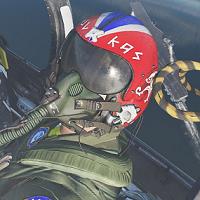
Iban a retocar todo el modelo 3D y sobre todo la cabina y el piloto que eran de lo más flojo.
Sobre el modelo de vuelo; genial si lo pueden ajustar más aún sin el SDK; tendremos que reaprenderlo
Estará bien volver a activar a los chicos Scooter

Fué de lo primero que volé aquí contigo y @Zappa en un VEA.

DCS World
Tulkas
Piloto
Patrocinador
DCS World
DCS World
A ver si le retocan el modelo de vuelo, o más bien el modelado de la planta motriz, sobre todo en el regimen de aterrizaje. Les quedaría ya un módulo de escándalo.
flankercobra
Instructor
Patrocinador
DCS World
DCS World
Yo creía que lo tenían bastante ajustado.Tulkashace 7 mesesA ver si le retocan el modelo de vuelo, o más bien el modelado de la planta motriz, sobre todo en el regimen de aterrizaje. Les quedaría ya un módulo de escándalo.
Tulkas
Piloto
Patrocinador
DCS World
DCS World
Negativo, en el aterrizaje es un completo desastre. Si habéis leído referencias sobre handling del avión real para la toma os habréis dado cuenta que no se corresponde en absoluto con lo que tenemos en el simulador. Me cito a mi mismo de discusiones anteriores, me encanta recopilar testimonios de primera mano sobre pilotaje, en mi opinión los manuales de los aviones sólo cuentan una parte de la historia:flankercobrahace 7 mesesYo creía que lo tenían bastante ajustado.Tulkashace 7 mesesA ver si le retocan el modelo de vuelo, o más bien el modelado de la planta motriz, sobre todo en el regimen de aterrizaje. Les quedaría ya un módulo de escándalo.
Que es extremadamente difícil y no se corresponde en absoluto con los datos que conocemos del A4. La respuesta del motor es horrible. El A4 era conocido por lo bien que mantenía el AoA on speed una vez compensado y simplemente tenías que tocar la potencia para seguir la bola. Era tan fácil que la transición al mucho más difícil F14 se podía hacer una bola:
Sufriendo aprendiendo a volar el F14 (por cierto niñas del RAG, este artículo es de obligada lectura aunque sea en inglés, lo pondré en la cabecera)One of the beauties of the TA-4 was that in the approach environment, it flew exactly like what you were taught to think a navy jet should fly like. Attitude controlled airspeed and power controlled rate of descent. So once you got it trimmed in pitch, it pretty much maintained that speed. If you started to see a change in glideslope from the meatball, you simply made the appropriate power correction to return to a centered ball. I loved flying it, and the way that it flew.
¨(...)the skills that I had mastered flying the TA-4 would to some extent come back to haunt me as I moved on to the mighty F-14A Tomcat(...)As the wings came level I noticed that the ball was starting to go slightly high, so I reduced the power, but after several seconds the ball was getting higher and I was starting to get indications of being slightly slow. I tried giving it a little more time, but the situation only got worse(...)Finally I pushed the nose down and the ball started to come down and we got back on speed. As we approached a centered ball I added power to slow the descent, but very quickly we were getting low and fast. These cycles continued down to an uneventful touch and go(...)
(...)By this time I was beginning to realize that the techniques and motor skills that had worked so well for me in the TA-4J were not working so well in the F-14. The Tomcat was definitely a different jet to land. It had a lot of lift when fully configured to land, especially with no missiles, rails, or external fuel tanks. The old adage of “attitude controls airspeed and power controlled rate of descent” didn’t work the same way in the F-14. If you wanted to change the rate of descent, it needed a power correction, but you also had to nudge the nose up or down some to get a quicker response to the power change(...)
Esto lo llevo sospechando desde que empecé a volar el A4. Pero como yo no he volado el A4 en la realidad me guardé mucho de criticar o solicitar arreglos, hasta que hace un tiempo encontré unos posts de un antiguo piloto de A4 de la Navy, piloto de pruebas y veterano de combate, va por RichRach en los foros, que suponiendo que lo haya sido de verdad, vino a confirmar lo que suponía:
I flew the TA-4J in training with the US Navy. The flight model (del mod) is excellent with one exception, landing. Regarding sensitivity of the flight controls in a sim, the original aircraft had a roll rate of 720 degrees a second, two complete revolutions in that second. Full stick deflections were limited to one roll of 360 degrees (one half second) due to the probability of entering a "coupled roll" where the aircraft could become unrecoverable. It was an insanely responsive platform!
Regarding landing, the flight model is terrible. Response to power to control glideslope is not even close to the real aircraft, or any aircraft I have flown. Not sure how one would fix this as other sims have gotten it right in the past, most notably Janes F/A-18 from many years ago.
Richrach postIn simple terms, when a Navy jet is trimmed on-speed for approach addition or subtraction to power makes an immediate impact on VSI (vertical speed). There is zero time lag (other than the spool time of turbofan engines. Useless trivia: Jets of the A-4's era had much less spool lag, being turbojet engines. It was still there but much smaller.) Reduce power plane go down. Increase power plane go up.
There are many videos out there these days of pilots flying at the boat. Watch the amount of changes and the speed of those changes in throttle position. Two things to notice. First, the nose pitch/attitude relative to the horizon, does not change at all. Second, the pilot is controlling the glide slope entirely with power, not nose. Watch the stick in those videos. The pilots almost never make a movement of the stick forward/back, only side to side. Power = glideslope. Stick = lineup.
This is not the case in the A-4E model. The first thing to happen in the game is speed changes. Then the AoA and pitch follow. VSI lags these responses. In reality it is just the opposite. Actually, power changes instantly affect VSI, airspeed follows, slowly. AOA lags both these. Its physics. Lineup, meatball, AoA is how one flies at the boat. Airspeed is not even in the scan.
Tulkas
Piloto
Patrocinador
DCS World
DCS World
Un devoto del A4 ha posteado esta curva para los gases en los foros de ED, a ver si la pruebo y comento.

En el video sobre la actualiación el autor comenta que van a darle un repaso al mod "from the ground up", al comentar mi esperanza de que repasen el modelo de vuelo en regimen de aterrizaje me ha dado un like, aver si significa algo
.Coincides w/ the A/C's Normal/Mil Power 90% RPM detent.
Firewall for Mil Power, then back off the wall for 90%.
Half-throttle is ~ 80%, and bumps-n-tugs between the two are ~ 1.5%, making formation flying and on-speed pattern work a snap.
Still precise enough on the low end to hit 70% deck maneuvering power, perfect for differential braking.
In conjunction with '21' Pitch and Roll curves, this A/C flies beautifully, formation/gunnery/bombing/pattern work
En el video sobre la actualiación el autor comenta que van a darle un repaso al mod "from the ground up", al comentar mi esperanza de que repasen el modelo de vuelo en regimen de aterrizaje me ha dado un like, aver si significa algo

MicMic
Instructor
Patrocinador
DCS World
DCS World
Un aliciente más para retomar "malos" hábitos.Tulkashace 7 mesesUn devoto del A4 ha posteado esta curva para los gases en los foros de ED, a ver si la pruebo y comento.
.Coincides w/ the A/C's Normal/Mil Power 90% RPM detent.
Firewall for Mil Power, then back off the wall for 90%.
Half-throttle is ~ 80%, and bumps-n-tugs between the two are ~ 1.5%, making formation flying and on-speed pattern work a snap.
Still precise enough on the low end to hit 70% deck maneuvering power, perfect for differential braking.
In conjunction with '21' Pitch and Roll curves, this A/C flies beautifully, formation/gunnery/bombing/pattern work
En el video sobre la actualiación el autor comenta que van a darle un repaso al mod "from the ground up", al comentar mi esperanza de que repasen el modelo de vuelo en regimen de aterrizaje me ha dado un like, aver si significa algo

Mistr@L
Piloto
DCS World
DCS World
Hay algún sitio de descarga de esto?flankercobrahace 7 meses
Tulkas
Piloto
Patrocinador
DCS World
DCS World
Es parte de una nueva versión que no ha salido aún
flankercobra
Instructor
Patrocinador
DCS World
DCS World
No; es un retoque de los esquemas que traerán nuevos tras la actualizaciónMistr@Lhace 7 mesesHay algún sitio de descarga de esto?flankercobrahace 7 meses
Iban a retocar todo el modelo 3D y sobre todo la cabina y el piloto que eran de lo más flojo.
Sobre el modelo de vuelo; genial si lo pueden ajustar más aún sin el SDK; tendremos que reaprenderlo
Estará bien volver a activar a los chicos Scooter

Ozono
Cadete
Patrocinador
DCS World
DCS World
¡Pozí!flankercobrahace 7 meses
Estará bien volver a activar a los chicos Scooter
Fué de lo primero que volé aquí contigo y @Zappa en un VEA.
flankercobra
Instructor
Patrocinador
DCS World
DCS World
Teniamos un buen grupillo. Y la época de las operaciones siendo Kuwis y Kangaroos me dejaron un muy buen recuerdo.Ozonohace 7 meses¡Pozí!flankercobrahace 7 meses
Estará bien volver a activar a los chicos Scooter
Fué de lo primero que volé aquí contigo y @Zappa en un VEA.

No registered users